ToneTag drives ASEAN payments integration with inclusive tech
In today’s digital age, payments should flow as effortlessly as conversation. ToneTag is making this vision a reality with its groundbreaking sound-based payment technology, transforming how we conduct commerce, travel, and even engage in cross-border transactions. The India-based startup is unlocking new possibilities across India, ASEAN, and beyond, driving a shift toward more inclusive, secure, and efficient solutions for all.
A GAME CHANGER
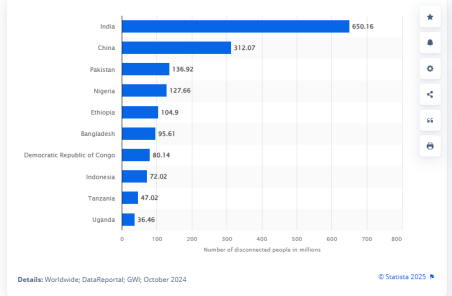
ToneTag uses revolutionary sound-wave technology, enabling transactions without the need for expensive hardware like NFC or QR-code systems. What sets it apart? It works on basic feature phones, making it a lifeline for regions with limited infrastructure and internet access. For context, as of October 2024, India had the world’s largest offline population, with over 650 million people lacking an internet connection. China ranks second, with around 612 million people offline (Source: Statista).
This offline capability is a breakthrough for many countries, particularly in ASEAN, where smartphone adoption is growing rapidly but digital payment infrastructure remains patchy. ToneTag’s solutions cater to both merchants and customers, ensuring that anyone, regardless of location or technological ability, can participate in the digital economy. This is especially crucial in countries like Vietnam, where nearly 80% of the population is still unbanked.
COMMERCE AND MOBILITY RE-DEFINED
ToneTag is also revolutionizing how we experience mobility and commerce—two sectors poised for significant growth over the next decade.
• Public Transportation: ToneTag offers seamless, contactless fare payments that eliminate the need for physical cards or cash, reducing commuter time and streamlining the payment process.
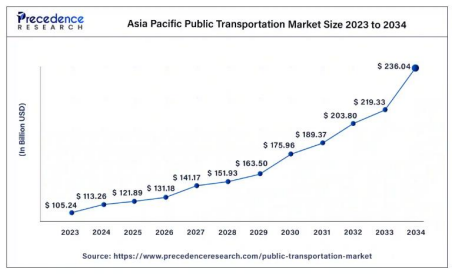
This is especially beneficial in cities like Jakarta, where the transportation system can become more efficient, akin to successful models in Seoul and Tokyo. The numbers tell the story. The Asia Pacific public transportation market was valued at USD 105.24 billion in 2023 and is projected to grow to USD 236.04 billion by 2034, with a CAGR of 7.66% from 2024 to 2034.
• Retail: In the retail sector, ToneTag enhances the checkout experience by allowing customers to pay directly from their phones with just a sound signal, bypassing long queues. ASEAN’s retail e-commerce market, expected to reach USD 280 billion by 2027, can benefit significantly from such solutions, ensuring that businesses meet the growing demand for faster, frictionless transactions.
Also read: Southeast Asia's Decade
BRIDGING BORDERS
Cross-border payments in ASEAN remain a challenge due to varying regulatory frameworks, infrastructure disparities, and high transaction costs. ToneTag’s technology addresses these issues by enabling fast, secure payments without requiring constant internet access.
Also read: Breaking borders: Asia's cross-border payments revolution
Imagine an ASEAN-wide payment network similar to India's Unified Payments Interface (UPI), which processed over 131 billion transactions in FY 2023-24 and is projected to handle 439 billion by FY 2028-29. ToneTag could power a similar infrastructure in ASEAN, making real-time, low-cost transactions a reality. This would benefit industries like tourism, agriculture, and remittances. For example, a migrant worker in Singapore could send money to their family in Vietnam, cutting down on costly intermediaries and delays.
Also read: What is UPI —and what it isn’t: The future of global payments?
FINANCIAL INCLUSION
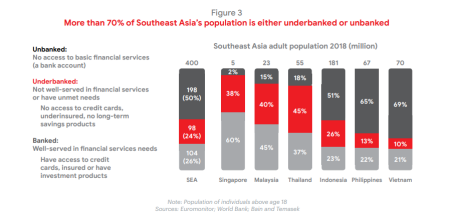
ToneTag’s biggest impact lies in its ability to promote financial inclusion. Its sound-based technology reaches populations often excluded from formal banking systems, including those in remote areas or with limited literacy. According to a report by Bain & Company, Google, and Temasek, more than 70% of the adult population in Southeast Asia is either “underbanked” or “unbanked,” with limited access to financial services.
For instance, a street vendor in a remote village can accept digital payments without a smartphone or advanced literacy skills. This capability offers small businesses an opportunity to connect to larger economic systems. Additionally, ToneTag’s accessibility ensures that people with disabilities—who may find traditional digital payment methods challenging—can also engage in the digital economy.
GROWTH PATH
1. Intra-ASEAN Payments: ASEAN’s interconnected economies present a fertile ground for ToneTag to forge strategic partnerships. Collaborating with financial institutions, governments, and trade bodies can simplify cross-border transactions in sectors like agriculture and manufacturing.
2. Expanding PayNow’s Reach in Singapore: Singapore’s PayNow system, a successful model for real-time payments, could become even more inclusive with ToneTag’s sound based technology.
3. Collaborating with Regional Hubs: Cities like Jakarta, Manila, and Singapore are rapidly emerging as fintech hubs, offering exciting opportunities for ToneTag. Collaborating with development banks, local fintech companies, and organizations like the Asian Development Bank (ADB) could accelerate the adoption of ToneTag’s technology, especially in financial inclusion initiatives.